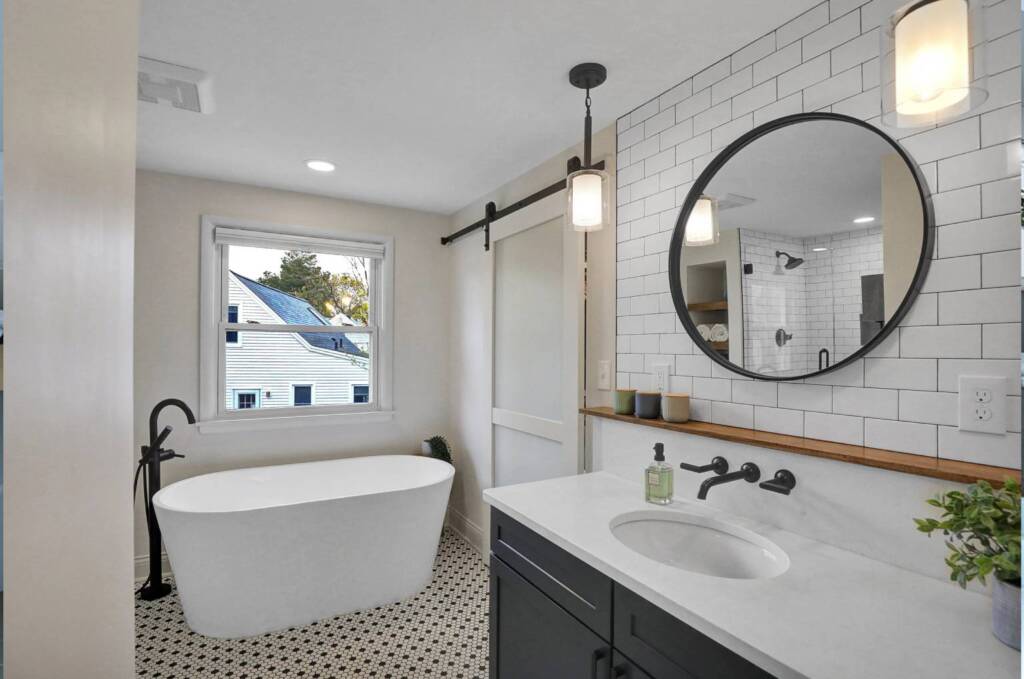
How to Choose the Perfect Bathroom Vanity
January 15, 2026 • Elite
Key Factors to Consider When Selecting Your Vanity
Measure your space first and ensure the vanity is proportional to the bathroom. Typical widths range from 24 to 72 inches; leave around 30 inches of clear space in front for movement.
Installation and Mount Type
Options include freestanding, wall-mounted (floating), and corner vanities. Wall-mounted vanities can make a small bathroom feel larger and simplify cleaning.
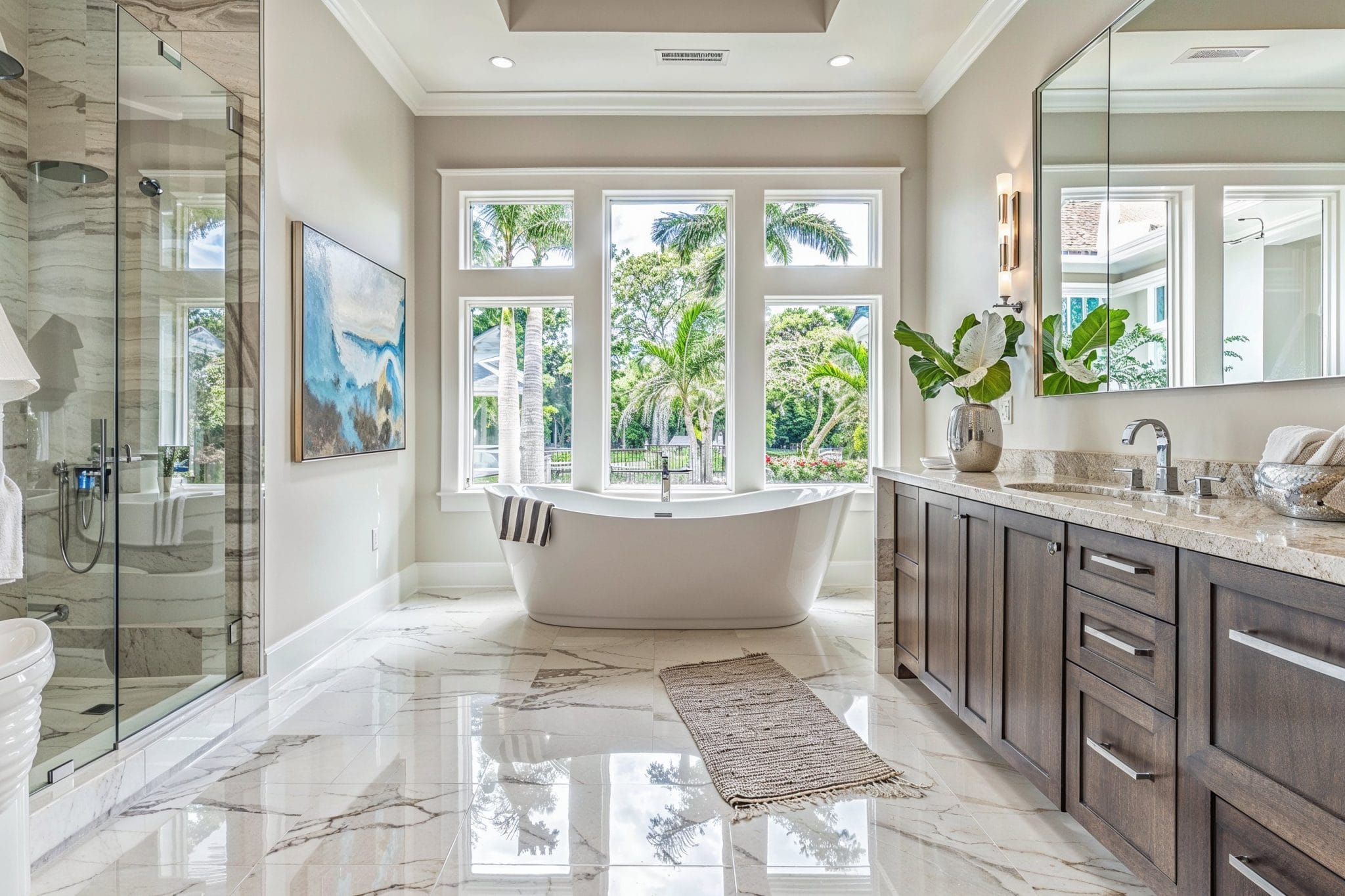
Sink Configuration: Single vs. Double
Single sinks are ideal for smaller bathrooms; double sinks require at least 60 inches of width and are great for shared master baths.
Finding Storage and Useful Features
Consider open shelving versus concealed storage, drawers for large items, soft-close features, integrated outlets, and built-in organizers to keep countertops clutter-free.
Choosing Durable Materials
Vanity bases can be solid wood, plywood/MDF, or metal. Countertops include quartz, granite, or solid surface—each with tradeoffs in maintenance and durability.
Vanity Tips for Every Bathroom Type
Master baths can accommodate oversized double vanities; guest baths should balance function and style; powder rooms can use pedestals or compact vanities for a streamlined look.
Style Choices That Match the Space
Bathroom vanities come in many forms, and the best choice depends on both the size of the room and the look you want to achieve. Floating vanities are ideal for modern or small bathrooms because they create a lighter, more open feel and can make floor space appear larger. Freestanding vanities, by contrast, often work well in larger baths where a more traditional or transitional style is desired.
Color and finish also matter. White, warm wood, and soft gray tones remain popular because they pair well with many tile and wall color selections. The vanity should complement the overall bathroom design without competing with the fixtures or accents you already have in place.
Storage and Everyday Use Matter Most
A vanity should look good, but it also needs to support your real routines. If you need extra room for grooming products, linen, or cleaning supplies, prioritize drawers, shelves, or a cabinet design that reduces clutter. Thoughtful storage touches can make the room feel far more organized and less stressful to use.
Features such as soft-close drawers, integrated outlets, and built-in organizers add convenience without making the room feel crowded. For households with multiple users, a double vanity may be worth the extra space, while a single vanity can be a smart and efficient option for smaller or guest bathrooms.
Materials and Long-Term Value
Durability is one of the most important considerations in a bathroom vanity, especially because the room is exposed to moisture and frequent use. Solid wood, plywood, and quality MDF products all have different strengths, and the material should match your maintenance expectations and budget.
Countertop options also influence durability and design. Quartz is popular because it resists stains and offers a sleek finish, while natural stone adds high-end visual appeal. The right combination of vanity structure, countertop, and hardware can make the room feel elevated and built to last.
Elite Home Creations helps homeowners select vanities that balance beauty, function, and longevity. If you are renovating a bathroom, choosing the right vanity can make the entire design feel more finished and more usable in daily life.
 Elite Home Creations